Remote and online counselling
Book a discovery call online now or call 0118 206 5323
Counselling from the comfort of your own home
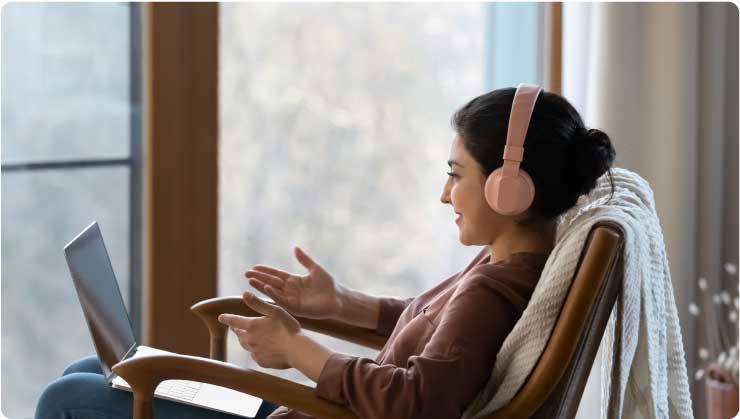
Online counselling, sometimes called remote therapy or teletherapy, is a professional form of mental health support delivered securely over the internet. Through video, phone, or online platforms, individuals can access counselling and therapy wherever they feel most comfortable.
Online counselling allows individuals to work with a qualified therapist or counsellor without needing to travel. This flexible approach to therapy is particularly helpful for individuals with busy schedules, mobility challenges, or those living in remote areas. It ensures consistent mental health support that fits around your life.
Why Choose Online Counselling?
- Flexible Sessions: Easily book a counselling session that works around your daily commitments, removing travel time and added pressure.
- Accessible Professional Support: Connect with experienced therapists and counsellors wherever you are. Online therapy makes mental health support accessible to individuals across the UK and beyond.
- Comfort & Privacy: Attend your therapy session in a space where you feel safe and relaxed, supporting open and effective work with your therapist.
Effective Online Therapy Sessions:
Our professional therapists use specialist techniques to ensure online counselling sessions are just as meaningful and effective as face-to-face therapy. The therapeutic relationship, communication, and structured session work remain central to the process.
What You Need for Online Counselling:
To begin your online therapy session, you simply need a stable internet connection, a device with a camera and microphone, and a quiet, private space. We use secure platforms designed to protect your confidentiality and mental health information.
If you would like to explore whether online counselling is right for you, you can book a session or contact us to speak with a professional counsellor about your mental health support needs.
Frequently asked questions for online counselling:
- Increased access to therapy: Remote counselling can increase access to therapy for individuals who live in areas where there is a shortage of mental health professionals.
- Greater flexibility in scheduling appointments: Remote counselling allows individuals to schedule appointments at times that are convenient for them, which can be beneficial for individuals who have busy schedules.
- Anonymity: Remote counselling can provide a level of anonymity for individuals who may be hesitant to seek therapy in person.
- Cost-effective: Remote counselling can be more cost-effective than in-person therapy, as it eliminates the need for transportation and can save time.
- A continuity of care: Remote counselling allows individuals to continue therapy even when they are travelling or moving to a different location.
It’s important to note that remote counselling should only be conducted by trained professionals and it’s not a substitute for medical care. People with severe mental health conditions or under the influence of certain medications should consult with their healthcare provider before starting remote counselling.
In-person counselling and remote counselling are both forms of therapy that can be used to help individuals with mental health concerns. However, there are some key differences between the two:
- Location: In-person counselling typically takes place in an office setting, whereas remote counselling can be conducted from any location, as long as the individual has access to a secure internet connection.
- Convenience: In-person counselling requires individuals to travel to and from the therapist’s office, which can be time-consuming and inconvenient. Remote counselling allows individuals to receive therapy from the comfort of their own home or any other location, which can be particularly beneficial for individuals who have mobility issues, live in remote areas, or have busy schedules.
- Access to therapy: In-person counselling may be more widely available in urban areas, but remote counselling can increase access to therapy for individuals who live in areas where there is a shortage of mental health professionals.
- Flexibility: In-person counselling typically requires individuals to schedule appointments during regular business hours, whereas remote counselling allows individuals to schedule appointments at times that are convenient for them.
- Anonymity: In-person counselling may not provide the same level of anonymity as remote counselling, which can be beneficial for individuals who may be hesitant to seek therapy in person.
- Cost-effectiveness: Remote counselling can be more cost-effective than in-person therapy, as it eliminates the need for transportation and can save time.
Both in-person counselling and remote counselling can be effective forms of therapy, and the choice between the two will depend on the individual’s needs and preferences.